
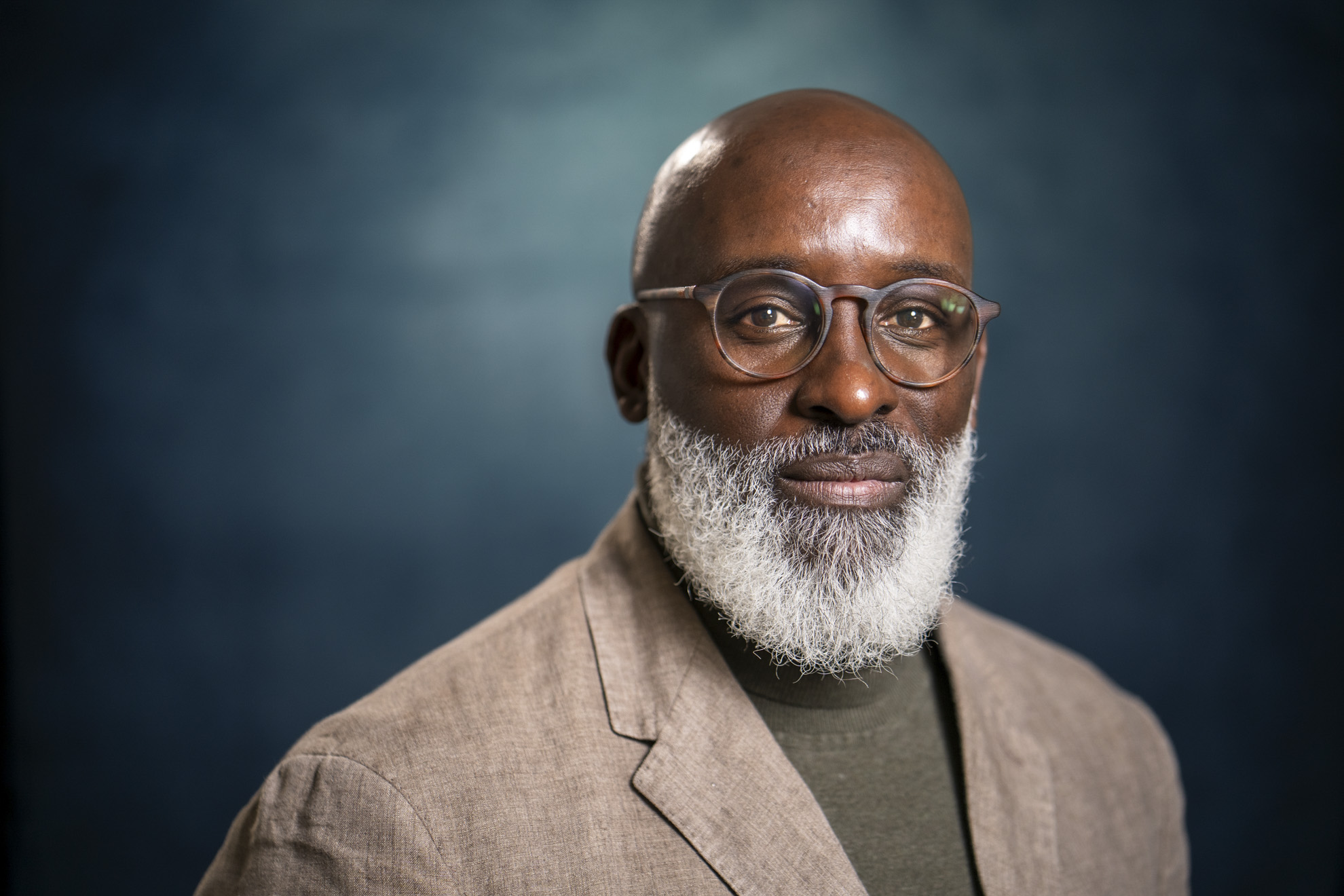
“Rotterdam is now my second home, but I had to fight for it,” says Elmahdi from Libya. Everyone may know the country now for its war, but it used to be different. “It was a rich country. We could easily get a visa for the Netherlands.” His brother often came here to import cars from Libya. But when he got married, he suggested to Elmahdi that he take over the business from the Netherlands.
“I had no intention of coming to the Netherlands because I didn’t know the language or anyone here. But my brother wanted to show me things and introduce me to people, such as the local authorities. And I wanted to build a better future.”
Learning Dutch and making friends
He has been living in the Netherlands since 2009. “It didn’t go well from day one, but slowly things started to improve. But you have to want to change yourself. I did that through strength and by believing in myself. That was a learning process for me. I wanted to experience and discover everything. But with patience, you get there.” He took a course Dutch and now he speaks it well. “Because I think that when you live in a country, you have an obligation to speak the language. Then people are more open to you.”
He also made friends quickly. “I can get along with anyone and talk to people easily. I’m also curious; I want to know how other people have achieved something. I’m not jealous, I just want to learn. That’s my strength, and I’m proud of it.” He is selective about who he associates with, though. “Some people try to insult you or keep you down. Or negative people; you shouldn’t waste your energy on them. But there are also people who help you move forward. Those people are my friends. And with the right people around you, you stay on the right track.”
Rotterdam: a small city with a lot of power
Elmahdi lived in The Hague for a while but ended up returning to Rotterdam. “In The Hague, I either worked alone or stayed at home.” In Rotterdam, he can keep himself busier. He exercises a lot and in the summer he sometimes sits at a sidewalk café. “I often sit on the Meent. Sometimes I bring something to read, sometimes I just watch people, which I enjoy.” The city continues to amaze him. “Rotterdam is a small city, but it has so much power and so many nationalities, and such a large economy… it’s really bizarre.”
Expensive and less respect
He thinks highly of the Netherlands. “I’ve seen many countries, but the Netherlands is one of the best in terms of structure, economy, safety, and how clean it is.” He loves the city and the Netherlands, but he does see problems emerging. “The Netherlands is becoming really expensive. But anyway, if you’re careful with money, for example by not smoking for a day, you can achieve things here.”
He also sees that the younger generation is different from his generation. “In any case, everyone in the Netherlands is more self-centered than in Libya, for example. I experience more warmth and more help here. For example, I stand up for the elderly or say good afternoon.”
I let my parents start eating first. But lately, I’ve noticed even less respect among young people. Perhaps because the economy is worse and both parents have to work, leaving them less time to socialize. But anyway, I was born in ’72, so I’m different from today’s youth. What they do isn’t necessarily bad. Now is not my time, but theirs.” This line of thinking fits well with his motto: “Live and let live. We can’t all be the same; everyone thinks differently. I hear people say, ‘You have to act normal.’ I ask them, ‘What is normal?’ What is normal for you is not normal for me.”
Integrating with your own identity
For Elmahdi, it is normal to maintain your own identity. “Be proud of where you come from. Some people forget that; I don’t. With your own identity, you can also integrate into society and participate. For example, you can use the crosswalk, stop at red lights, tone down your temper because you’re in a different environment.” He used to honor the Libyan part of his identity by cooking Libyan food. “But the older you get, the less you do that. When you come home late, you don’t spend an hour in the kitchen… lately I’ve been eating a lot of healthy food, so not really Libyan anymore.”
Elmahdi doesn’t know what the future holds for him. “I’m a believer, so God determines how my life will be. But if I get tired of it tomorrow, I’ll pack my things and leave. But right now, I’m happy with what I have and what I do.”