
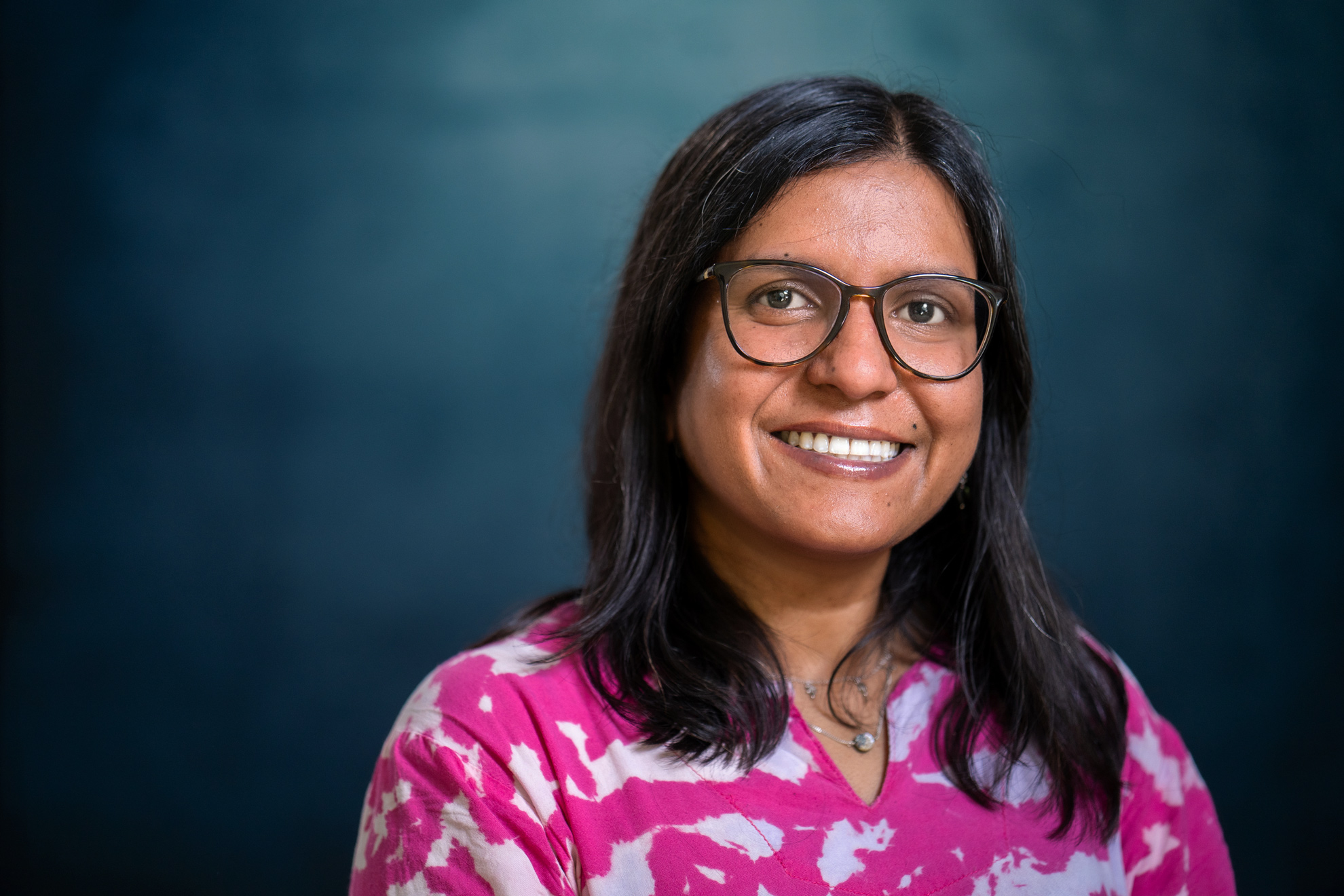
Sara never imagined she would end up living in Rotterdam. Originally from the Maldives, she met her Dutch partner during her time spent in Sri Lanka. They fell in love and, before settling down, spent some years travelling and living abroad together.“When we met, we wanted to see the world together rather than immediately choose one place to live,” she says.
In 2018, Sara moved to Rotterdam after receiving her residence permit. Not having a Dutch embassy in the Maldives, the visa process was harder than expected for Sara. “I had to fly to Sri Lanka back and forth for the exams and visa process. It was really hard arranging all the documents and getting things legalised. I had to go to four different places to get the legalisation stamp on my birth certificate and unmarried certificate.”Her partner works in civil engineering and designs airports around the world, allowing them to travel the world and live in places like Taiwan & Australia.
When the COVID-19 pandemic brought travel to a halt, they decided it was the right time to make Rotterdam their home. Sara found work in the city, and the arrangement turned out to suit them both. “I arrived in summer, so the weather wasn’t too much of a shock,” she laughs. “It felt like I was on holiday.”Today they share an apartment and are even looking for a house with a garden. “Sometimes settled life feels a little boring because we met while travelling, but it is also nice to have a place to call home,” she says with a smile.
Finding home in a diverse city
One of the biggest surprises about Rotterdam was its diversity. “I expected to see Dutch people, but instead I met people from so many different backgrounds. That’s what makes Rotterdam special. People always say Amsterdam is international, but I think Rotterdam is.”Despite feeling welcomed by the city’s multicultural atmosphere, adjusting to daily life took time.“I suddenly had no ocean, no beach, and I had to wear shoes all the time,” she jokes.
Growing up in the Maldives meant being surrounded by crystal-clear water, although not in the luxury island setting many people imagine.“I grew up in Malé, the capital. It’s crowded and there’s very little space and it is warm all year round. Rotterdam is actually a beautiful city. In summer, I even go swimming in the Rotte.”
Facing discrimination
Finding work proved more difficult than Sara expected. “My name is Sara Mohamed. I kept receiving rejection after rejection because of my last name and my skin colour.”My partner’s uncle mentioned that it might be because of my last name. After changing her last name to her partner’s, she started to get invited for interviews.
She experienced something similar when calling with the GP. “When I called myself, I couldn’t get an appointment because of my last name. They would ask for your date of birth and last name to start with. When my partner calls he gets an appointment immediately. This repeated in this GP practice and I had to change to another. It was really frustrating.”
Eventually, she also changed the name and photograph on her CV and adopted her partner’s surname in her Dutch passport. While this helped in the Netherlands, it created new complications when travelling, as her Dutch and Maldivian passports now carry different surnames.
Learning to belong
Making friends was another challenge. “At my first job at the Hilton Hotel, my colleagues invited me to join them for lunch, but everyone kept speaking Dutch. I just sat there, unable to follow the conversation.”She also had to get used to the Dutch directness.“At first I thought people were quite rude. Now I actually appreciate it, and I’ve become a bit more direct myself.”Over time, Rotterdam has become home.
Their apartment is filled with photographs from the many places they have travelled together, including the Maldives, her home away from home now. “Those photos remind me where I come from. They make me feel at home.”
Missing the taste of home
One thing Sara still misses is sharing the food she grew up with.“In the Maldives we eat fish for breakfast, lunch and dinner,” she says. “But my partner doesn’t like fish as much as I do.”She still cooks fish occasionally, but misses the social aspect of sharing meals.
“When my partner was away for work, I invited my neighbour over for dinner. I completely forgot to ask if he ate fish. The moment he walked into my apartment, he said, ‘I can smell fish and I don’t eat fish.’ So we ended up going out for dinner instead,” she laughs. “For me, food is meant to be shared. If you visited my home in the Maldives, the first thing my mom would ask in Dhivehi is, ‘Koba kaifintha?’—’Have you eaten?’ That’s how we welcome people. Sharing a meal is how we show care and hospitality. I miss being able to share that part of my culture.”
After eight years in Rotterdam, Sara has finally found a permanent role as an Office & Community Specialist at Swisscom. “I’m so happy that I can now share the flavours of home with my colleagues and get to try their favourite dishes too. It’s a wonderful way to connect with each other through food.”